"Baby teeth fall out anyway, why treat them?" — this is the most damaging myth in children's dentistry. Baby teeth are essential for eating, speech, and holding space for the permanent teeth. Losing them early leads to crooked adult teeth and braces later.
Our children's services
- Fluoride application — strengthens enamel and prevents decay
- Pit and fissure sealants — a thin coating over molar grooves that cuts decay risk by up to 80%
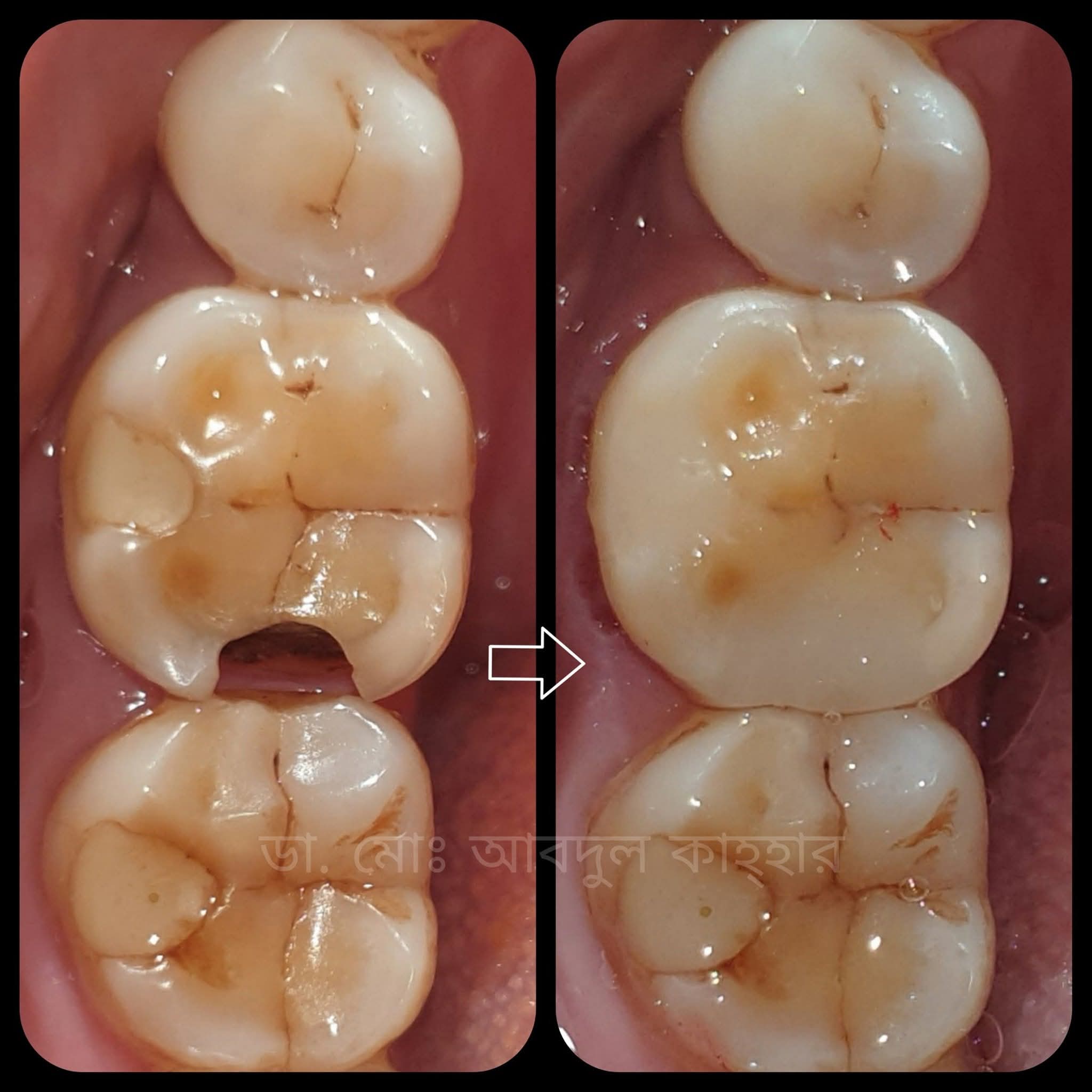
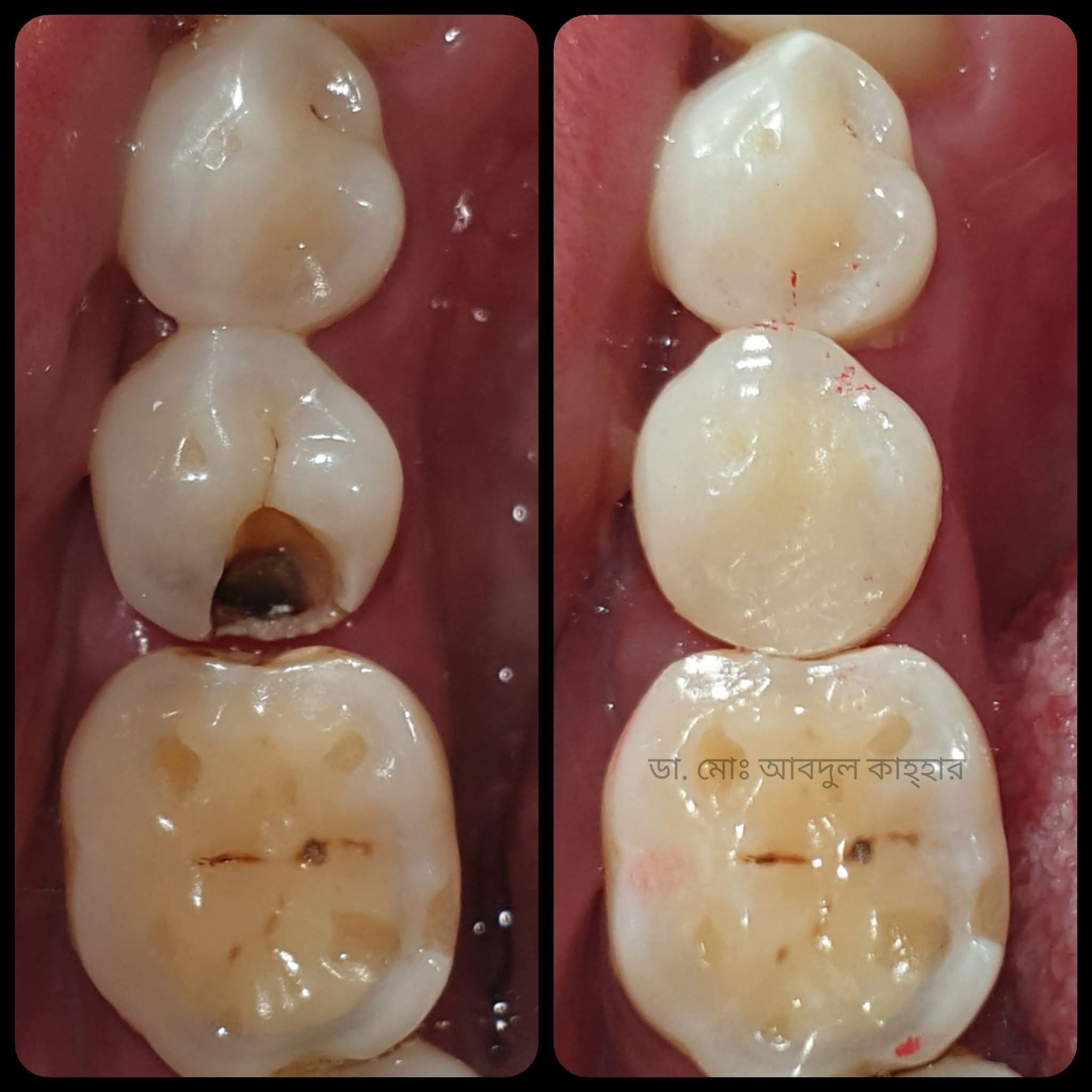
- Fillings in coloured or tooth-coloured material
- Pulpotomy — a baby-tooth root canal that keeps the tooth until it naturally exfoliates
- Space maintainers when a baby tooth is lost early
- Removal of retained baby teeth
How we manage anxiety
The first visit usually involves no treatment at all — just meeting, sitting in the chair, and seeing the instruments. We use the Tell–Show–Do approach: explain simply, demonstrate, then do. We never frighten or force a child, because one bad experience can create lifelong dental fear.
Advice for parents
- Never put a child to sleep with a milk bottle — this causes rapid "bottle caries"
- Clean from the very first tooth with a soft cloth or small brush
- A rice-grain smear of toothpaste under 3, pea-sized from 3–6
- Supervise brushing until age 7–8 — children cannot do it properly alone
- Give sugary food and juice at set times rather than continuously
- Never say "the dentist will hurt you" in front of your child
When is the first visit?
Within six months of the first tooth, usually by the first birthday — then every six months.