Root Canal Treatment

Painless modern endodontics — the most effective way to save a damaged tooth instead of extracting it.

The soft tissue inside a tooth is called the pulp, containing nerves and blood vessels. When bacteria reach it through deep decay, trauma or a crack, the result is severe pain and abscess. Root canal treatment removes the infected pulp, disinfects the space and seals it — saving the tooth instead of extracting it.

Specialist care: Dr. Md. Abdul Kahhar holds a PGT in Conservative Dentistry & Endodontics from Bangladesh Medical University (formerly BSMMU), Dhaka — the discipline root canal treatment belongs to.

When is a root canal needed?

  • Severe, throbbing toothache that worsens at night
  • Sensitivity that lingers long after hot or cold is removed
  • Swollen gum or an abscess at the root
  • A tooth that has darkened
  • Pain on biting or pressure

How it is done

  1. X-ray and diagnosis to map root anatomy and infection.
  2. Anaesthesia — the tooth and surrounding tissue are fully numbed.
  3. Rubber dam isolates the tooth from saliva and bacteria.
  4. Pulp removal and cleaning — fine files remove infected tissue and shape the canals, which are irrigated with disinfectant.
  5. Sealing — canals are filled with gutta-percha and permanently sealed.
  6. Crown — a treated tooth becomes brittle, so a crown is essential in most cases.

"Root canals are very painful" — is that true?

No. That reputation dates from older techniques and inadequate anaesthesia. With modern anaesthesia you feel nothing during treatment. The severe pain that brought you in is precisely what the root canal resolves. Mild pressure or tenderness for 2–3 days afterwards is normal and controlled by ordinary painkillers.

Why a root canal beats extraction

Nothing replaces your own tooth. After extraction, adjacent teeth tilt, the opposing tooth over-erupts, jawbone resorbs, and an implant or bridge later costs far more. A root-treated tooth with a proper crown can last 15–20 years or a lifetime.
Frequently Asked Questions — Root Canal Treatment

How many sittings does a root canal take?

Usually 1–3 sittings. Heavy infection or an abscess may need more. Front teeth generally take less time.

Is a crown mandatory after a root canal?

On back teeth, almost always — chewing forces can fracture a root-treated tooth. Skipping the crown greatly increases the risk of losing the tooth.

How long does a root-treated tooth last?

Properly treated and crowned, 15–20 years — often for life.

How much does a root canal cost?

Typically ৳4,000–৳12,000 depending on the tooth and number of canals. The crown is charged separately. Exact cost is given after examination.

Can a root canal be done during pregnancy?

Yes when urgent, ideally in the second trimester, and always in coordination with your obstetrician.

Before & After Treatment

Real results from our patients

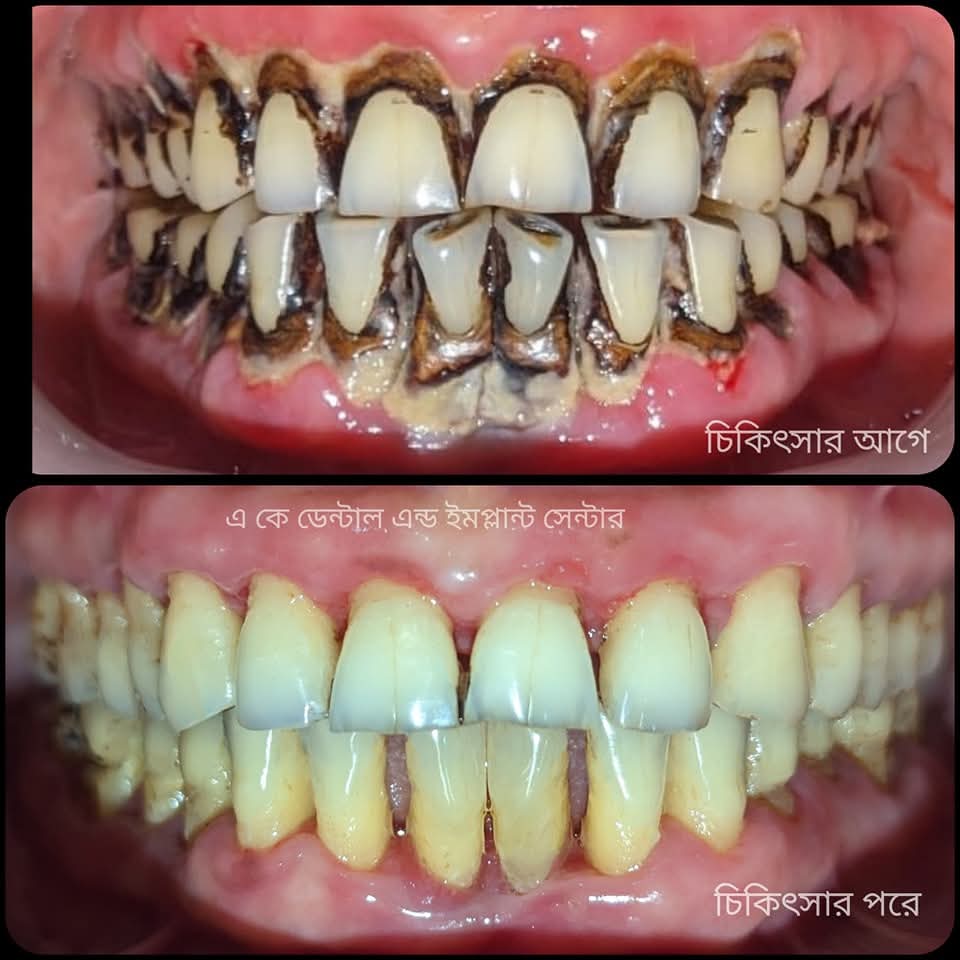
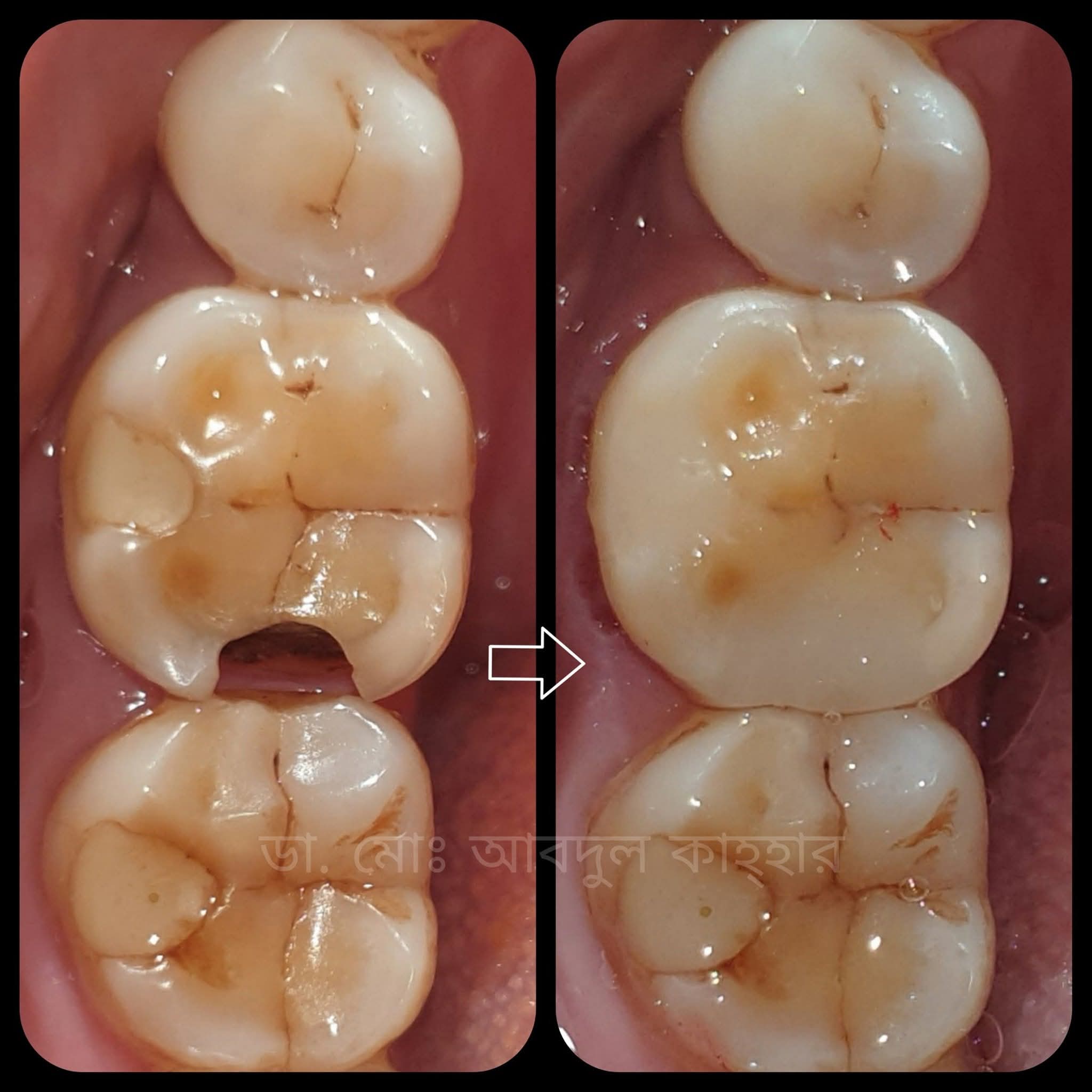
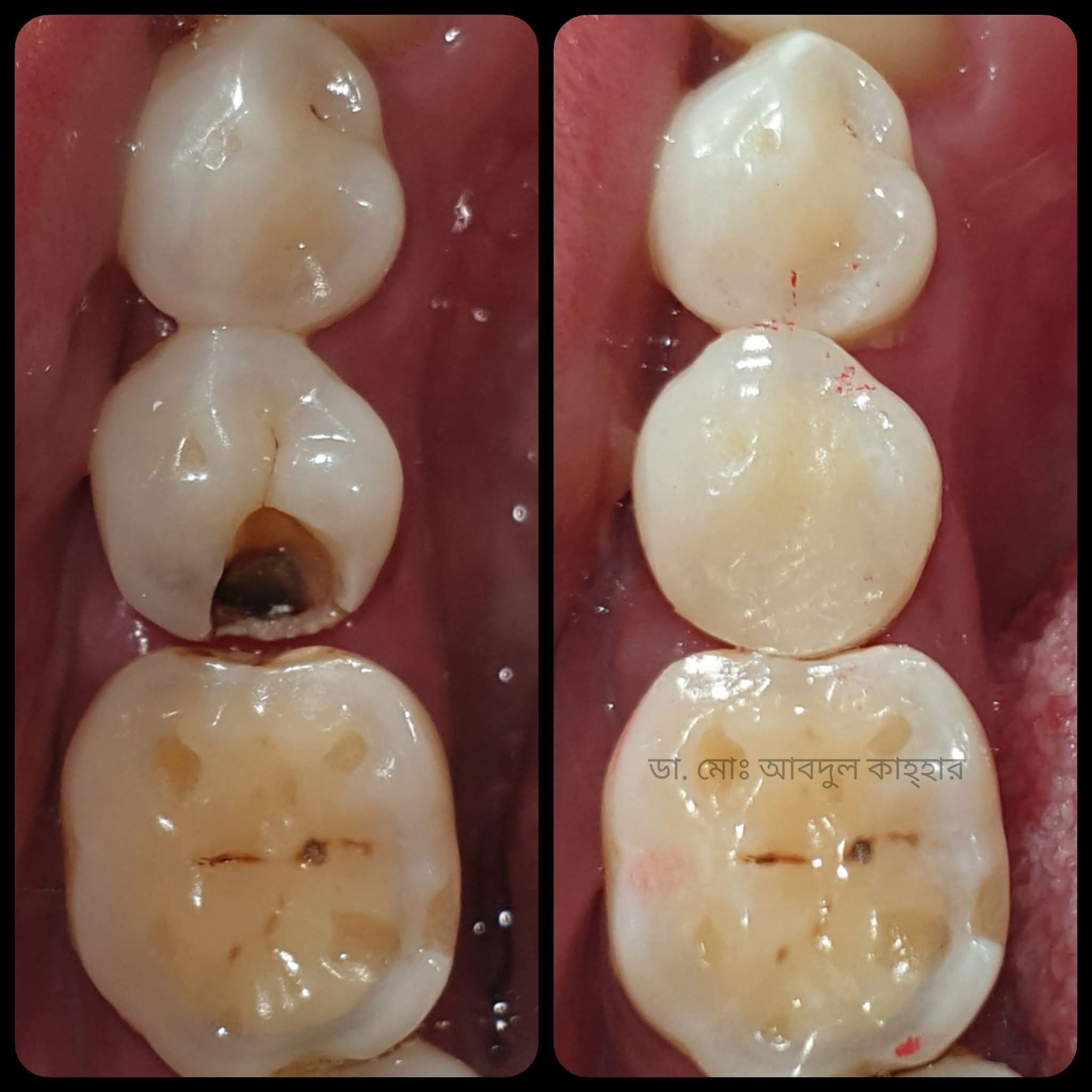
Before treatment — কসমেটিক ফিলিং After treatment — কসমেটিক ফিলিং
কসমেটিক ফিলিং
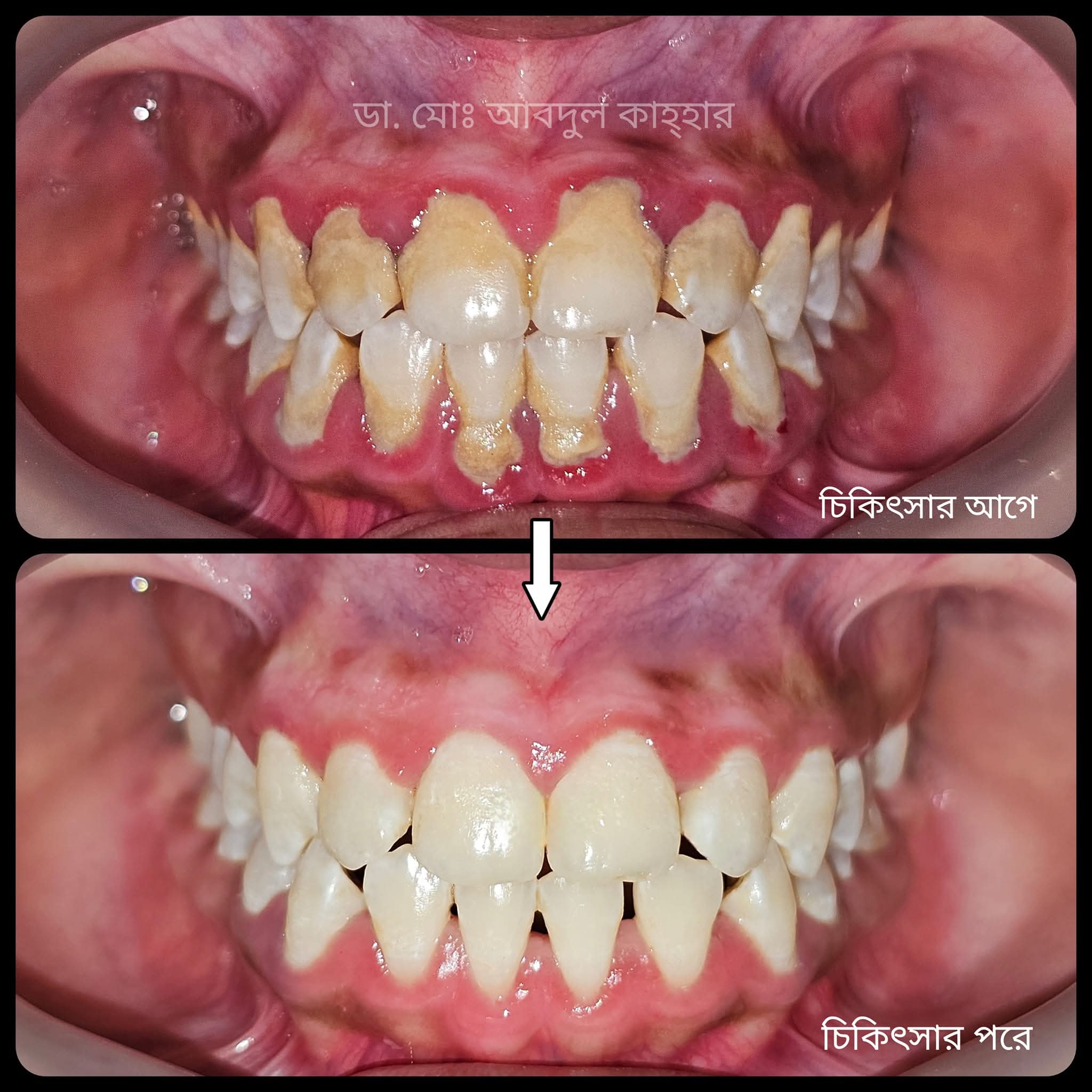
Before treatment — স্কেলিং ও পলিশিং After treatment — স্কেলিং ও পলিশিং
স্কেলিং ও পলিশিং

Patient Reviews

অত্যন্ত যত্ন সহকারে রুট ক্যানেল করেছেন। কোনো ব্যথাই অনুভব করিনি।

Lester Beck

অত্যন্ত যত্ন সহকারে রুট ক্যানেল করেছেন। কোনো ব্যথাই অনুভব করিনি।

Lester Beck

স্কেলিং ও পলিশিং করিয়েছি, তাদের সার্ভিস এবং আধুনিক যন্ত্রপাতি দেখে মুগ্ধ। লাকসামে এমন বিশ্বমানের ডেন্টাল ক্লিনিক সত্যিই আমাদের জন্য আশীর্বাদ।

তানভীর আহমেদ

Book an appointment for this treatment

Call us or book online for an appointment at a time that suits you.

Book your appointment online
Call Us